The Lower Mississippi River Valley is an excellent place to help the planet by restoring native forests. But just as important, local economic activity provided through forest restoration, especially when coupled with the generation and sale of carbon removal credits, can have an outsized impact on the quality of life here at home. Such investments are desperately needed to help alleviate persistent social issues in our region, such as high rates of poverty, tragic health statistics, and inequality among historically underserved populations. Beyond ecological benefits, planting forests on private lands helps reverse the trends of economic decline and lost hope that have plagued too much of this region.
A Role for Philanthropy
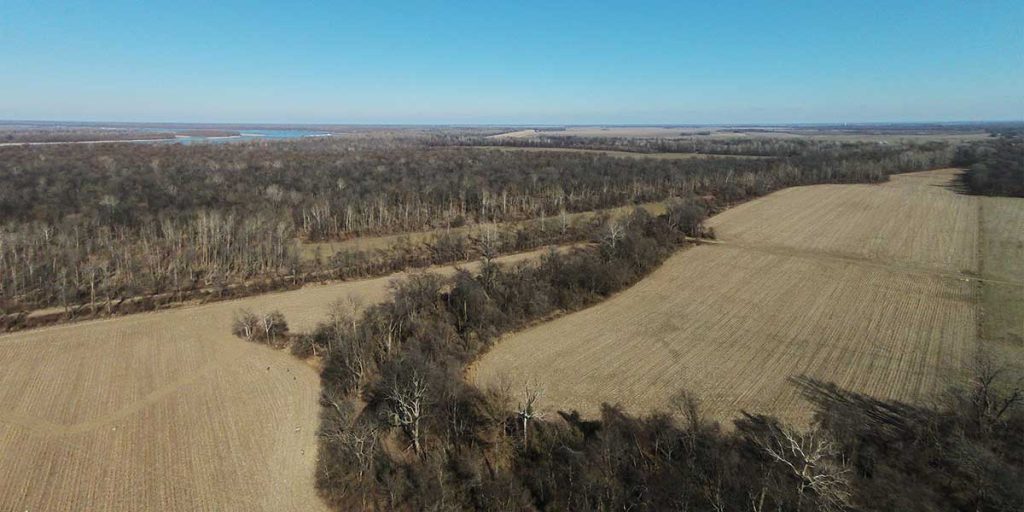
There’s so much upside to active reforestation across the Delta (see below). But it’s not cheap. It costs money to plant trees, to manage forests, and to incentivize landowners to forgo crop or timber harvest revenue for the sake of building carbon biomass reserves (i.e. letting the trees grow). To participate in the Voluntary Carbon Market – getting a forest project registered and validated, and having carbon removal credits verified and issued – costs significantly more.
On top of that, it costs more to involve and support smaller landowners and those with fewer resources (land rich, cash poor). Many forest carbon projects focus investor dollars on the largest and easiest tracks of land, skipping over smaller landowners who would gladly welcome a restored forest on their land with fair incentives.
Your support can bridge these gaps, making borderline reforestation projects happen and engaging those who might otherwise slip through the cracks. Donate Today!
The Delta Deserves Your Support
Restoring wildlife habitat, alleviating poverty, reducing global atmospheric carbon… There rarely are such opportunities to make a profound difference where it’s needed. Beyond its clear potential to help mitigate the global climate challenge, our Delta region is an extraordinary place that inspires and requires a commitment to responsible stewardship.
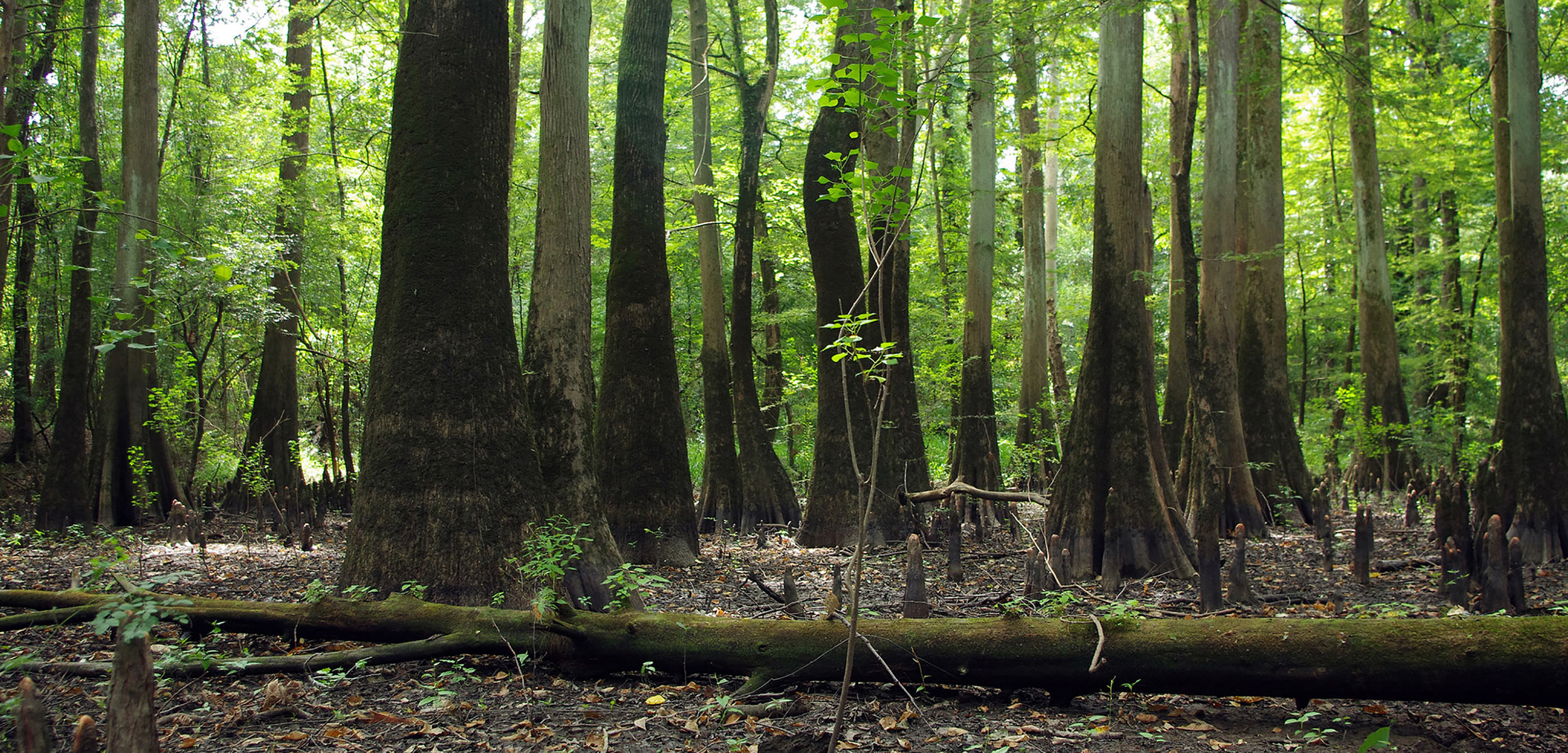
Today, industrial agriculture is the economic engine of this region. But not everyone here has benefited from that revolution. The ecological impacts of clearing most of the forests, however – reduced wildlife habitat, limited opportunities for outdoor recreation, degraded water quality, lost flood control capacity – affect nearly everyone.
We recognize that implementing natural climate solutions for the global good today creates opportunities to simultaneously improve conditions across the region. For us, this includes:
- The people and communities who live here: their rich cultural heritage, economic well-being, and quality of life.
- The poverty rate in the region greatly exceeds the national average. Our work can help, incrementally but steadily, by providing alternate revenue sources for landowners and supporting stable, forest-based jobs.
- Due to poverty and lack of opportunity, there’s been a significant drain of talent. We want to support private landowners to help keep them on their land and give the next generation hope.
- The rate of African-American landownership in the region greatly exceeds the national average. We seek to actively support these landowners and their families, helping them build generational wealth while maintaining their connection to the land.
- This region has some of the highest rates of chronic disease in the nation. Many socioeconomic factors contribute to this sad reality, including limited access to healthcare services, declining educational achievement, insufficient or unreliable access to clean water and healthy food, and lack of opportunities to connect deeply with nature. Active forest restoration and management is one mechanism for providing an economic shot in the arm while improving water quality, air quality, and the broader landscape for people.
- Our region prides itself on its widespread tradition of outdoor sportsmanship, going back to before the days of Holt Collier and Theodore Roosevelt. Hunting and fishing remain vital recreational, subsistence, and economic activities today. We want more people to have access to and benefit from these traditions in a region where the vast majority of the land is privately owned.
- Our globally significant natural heritage: wildlife, habitat, water, air, soil, and other irreplaceable ecosystem services.
- The Mississippi River system covers more than 40% of the lower 48 states.
- 60% of all U.S. bird species depend upon this region, which is the heart of the Mississippi Flyway migratory bird corridor.
- The diminished, but still vital, freshwater systems – rivers, side channels, bayous, wetlands, and lakes – are home to nearly 200 species of fish and support abundant life as well as economically significant recreational and commercial fishing.
- The enormity of the system means it has a tremendous impact on water quality in the Gulf of America (Gulf of Mexico), whose fisheries account for more than a quarter of all fisheries jobs and 20% of the fish caught in the United States (including commercial and sport fishing).
- The bottomland forests and wetlands of this region support popular game species that draw sportsmen and women from around the country, including white-tailed deer, wild turkey, bobwhite quail, and many species of waterfowl.
- Cumulative impact: collaborating on science-based planning and implementation with partners who value what we value in this region. This is about leveraging knowledge, investments, and experience to be more effective. We know what needs to be done, and just need funding to do it!
- Important regional collaborations like the Lower Mississippi Valley Joint Venture and Lower Mississippi River Conservation Committee have called for dramatically increasing the pace and scale of native forest restoration in the Delta, backing their recommendations up with thorough analyses.Federal agencies such as the U.S. Department of Agriculture (USDA) and the U.S. Fish and Wildlife Service (USFWS) have invested a great deal to restore, protect, and enhance forests and wetlands in the region. At the same time, taxpayers are losing significant money by subsidizing poorly performing agricultural lands where forests used to grow (and can grow again).
- Nonprofit organizations such as The KKAC Organization and the Blac Land Trust are seeking partners – such as The Carbon Fund – to help them leverage the land to benefit historically underserved communities.
- Over the past 30 years, more than one million acres of forest have been restored across the Delta. It’s a great achievement – but it’s also not enough. We need to restore at least one million more acres to sufficiently alleviate the most serious challenges facing the region because of deforestation. Working together, we can get more done, faster.
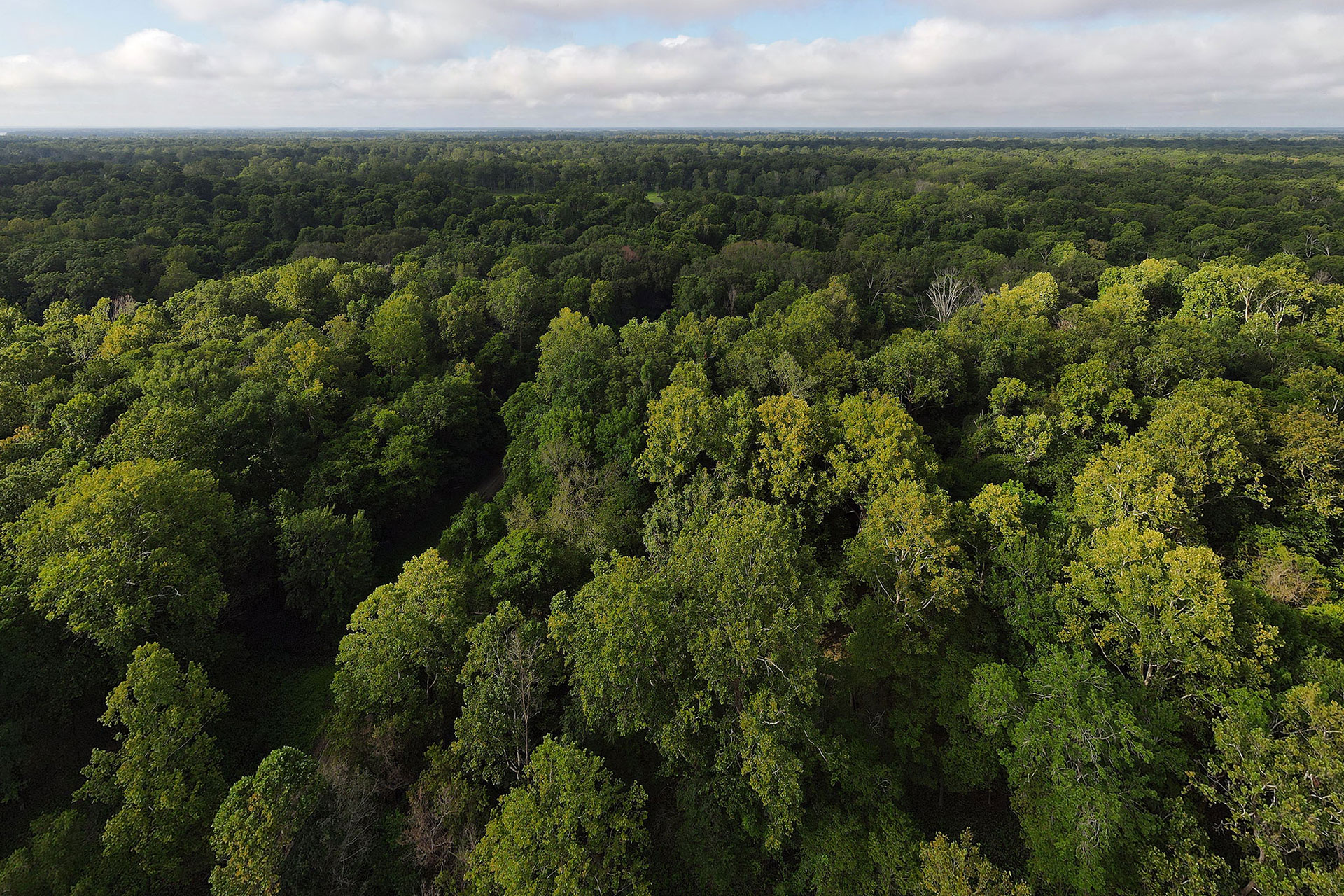
Forest restoration for people, wildlife, and the world. Ready to contribute to global health while advancing environmental, economic, and social benefits in the Delta? Make a tax-deductible donation today, or contact us to discuss the possibilities.